Japan Travel Guide 2026: Everything First-Time Visitors Need to Know

Japan is one of the most fascinating and well-organized travel destinations in the world, blending ancient traditions with cutting-edge modernity in a way no other country quite matches. For first-time visitors in 2026, Japan offers exceptional public transport, extremely low crime rates, and a food culture that ranges from Michelin-starred restaurants to extraordinarily good convenience store meals. Before booking, check your visa requirements on Viza — citizens of 70+ countries can visit visa-free for up to 90 days, while others will need to apply through a Japanese embassy. This comprehensive guide covers everything you need for a seamless first visit.
Visa Requirements
Japan offers visa-free entry for citizens of 70+ countries for stays up to 90 days (tourist purposes). Citizens of the US, UK, EU, Canada, Australia, and most Southeast Asian countries can enter with just a valid passport.
For other nationalities, Japan offers single and multiple-entry tourist visas through Japanese embassies and consulates. Processing typically takes 5-7 business days. Check your specific visa requirements on Viza before booking — the platform shows exactly what you need based on your passport nationality.
When to Visit
| Season | Period | Highlights | Crowds | Budget Impact |
|---|---|---|---|---|
| Cherry Blossom | Late Mar - Mid Apr | Iconic sakura blooms, hanami parties | Very high | Peak prices; book 4-6 months ahead |
| Summer | Jun - Aug | Festivals, fireworks; Hokkaido is pleasant | High | Moderate; monsoon rains Jun-Jul |
| Autumn Foliage | Mid Nov - Early Dec | Red maples, temple views in Kyoto | Moderate-high | Moderate prices |
| Winter | Dec - Feb | Skiing, onsen, illuminations | Low (except New Year) | Lowest prices overall |
Getting Around: The JR Pass
Japan's rail network is the world's best, and the Japan Rail Pass is the key to affordable travel. The JR Pass gives unlimited travel on most JR trains, including the famous Shinkansen (bullet trains).
- 7-day pass: JPY 50,000 (~$330) — worth it if you are doing Tokyo-Kyoto-Osaka at minimum
- 14-day pass: JPY 80,000 (~$530) — ideal for a comprehensive two-week trip
- 21-day pass: JPY 100,000 (~$660) — for extended exploration including Hiroshima, Kanazawa, or Hokkaido
The Tokyo-Kyoto Shinkansen alone costs JPY 13,320 each way, so a round trip nearly pays for the 7-day pass. Order your JR Pass online before arrival — the process is now fully digital.
Within Cities
Get an IC card (Suica or Pasmo) at any station. These rechargeable cards work on all trains, buses, and even convenience store purchases. Tap in, tap out — no need to figure out ticket machines each time. Each city's metro system is efficient, well-signed in English, and runs until approximately midnight.
Money and Payments
Japan has embraced cashless payments significantly since 2023, but cash remains important:
- Carry cash: Many small restaurants, temples, shrines, and rural businesses are still cash-only. Aim to have JPY 10,000-20,000 ($65-130) on hand at all times.
- 7-Eleven ATMs: The most reliable ATMs for foreign cards. Available 24/7 in the ubiquitous 7-Eleven convenience stores.
- IC cards: Suica/Pasmo work for small purchases at convenience stores, vending machines, and some restaurants.
- Credit cards: Widely accepted in department stores, hotels, and chain restaurants. Visa and Mastercard have the best acceptance; Amex is hit-or-miss.
Accommodation Types
Japan offers unique accommodation experiences beyond standard hotels:
- Ryokan (traditional inn): Tatami mat rooms, futon bedding, communal baths, and kaiseki (multi-course) dinner. From JPY 15,000/person including meals. A must-do experience — book at least one night.
- Capsule hotels: Pod-style accommodation from JPY 3,000-5,000/night. Surprisingly comfortable, with shared bathing facilities. A uniquely Japanese experience.
- Business hotels: Clean, efficient, compact rooms from JPY 6,000-12,000/night. Chains like Toyoko Inn, APA, and Dormy Inn offer consistent quality.
- Hostels: Excellent quality in Japan, often with private rooms available. JPY 3,000-5,000/night for dorms, JPY 6,000-10,000 for private rooms.
Essential Etiquette
Japan has specific social customs that visitors should observe:
- Shoes off: Remove shoes when entering homes, ryokans, some restaurants, and temple interiors. Slip-on shoes are essential for convenience.
- Quiet on trains: Phone calls are not allowed on trains. Set your phone to silent ("manner mode" in Japanese). Keep conversations at a low volume.
- No tipping: Tipping does not exist in Japanese culture and can cause genuine confusion. The price you see is the price you pay.
- Queuing: Japanese people queue meticulously. Stand on the left side of escalators (right side in Osaka). Wait for people to exit trains before boarding.
- Bathing etiquette: Wash thoroughly before entering onsen (hot springs) or sento (public baths). Tattoos are still banned in many onsen, though attitudes are slowly changing. Check the Japan National Tourism Organization for tattoo-friendly facilities.
- Chopstick rules: Never stick chopsticks vertically in rice (resembles funeral incense) or pass food chopstick-to-chopstick (funeral ritual). Rest chopsticks on the holder when not eating.
Must-Try Food Experiences
Japanese food goes far beyond sushi:
- Ramen: Regional styles vary dramatically. Tonkotsu (pork bone broth) in Fukuoka, miso ramen in Sapporo, shoyu (soy sauce) in Tokyo. A bowl costs JPY 800-1,200.
- Conveyor belt sushi (kaiten-zushi): Fun, affordable, and fresh. Plates from JPY 100-500 each. Sushiro, Kura Sushi, and Hamazushi are popular chains.
- Depachika (department store food halls): Basement floors of department stores are food wonderlands. Near closing time, many items are discounted 20-50%.
- Convenience store food: Japanese konbini (7-Eleven, Lawson, FamilyMart) food is legitimately excellent. Onigiri, sandwiches, fried chicken, and even fresh pasta are all surprisingly good and cheap.
- Izakaya: Japanese pub-restaurants serving small dishes with drinks. Order several plates to share. Budget JPY 2,000-4,000 per person including drinks.
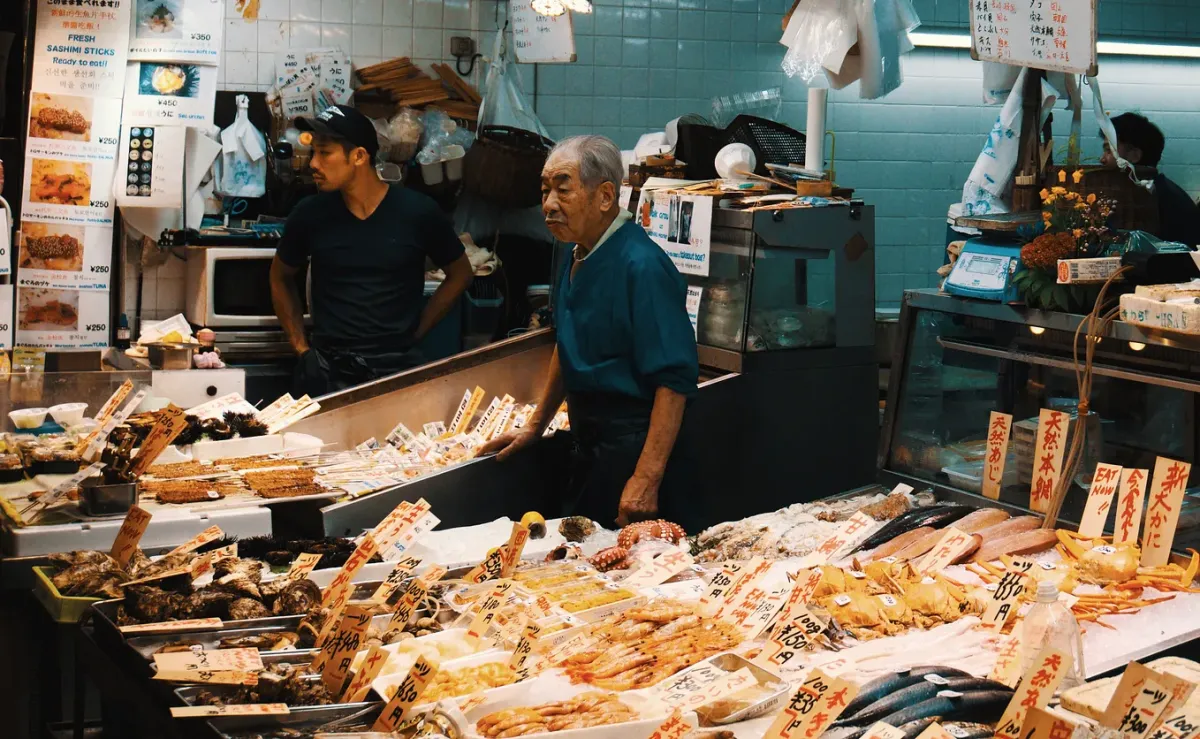
- Street food: Takoyaki (octopus balls) in Osaka, yakitori (grilled chicken skewers) everywhere, taiyaki (fish-shaped cake) for dessert. Most items cost JPY 300-500.
Suggested 2-Week Itinerary
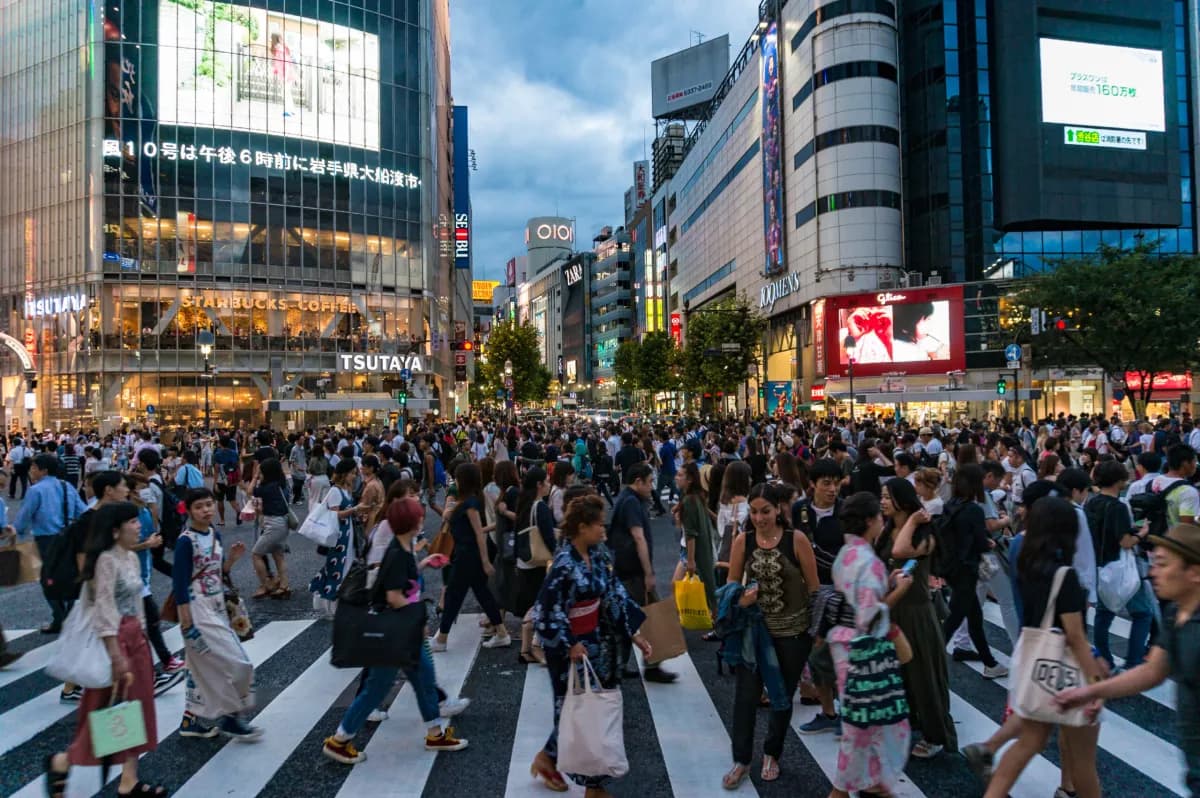
- Days 1-4: Tokyo — Shibuya, Shinjuku, Akihabara, Tsukiji Outer Market, Meiji Shrine, Sensoji Temple, TeamLab
- Day 5: Day trip to Hakone or Kamakura — Hot springs and Mount Fuji views, or the Great Buddha
- Days 6-8: Kyoto — Fushimi Inari, Arashiyama bamboo grove, Kinkaku-ji, Gion district, tea ceremony
- Day 9: Nara day trip — Friendly deer, Todai-ji temple (world's largest wooden building)
- Days 10-11: Osaka — Dotonbori, Osaka Castle, street food in Shinsekai, nightlife
- Day 12: Hiroshima + Miyajima Island — Peace Memorial, floating torii gate
- Days 13-14: Return to Tokyo or explore further — Shopping, missed sights, or day trip to Nikko
Official source: Japan eVisa Portal | Japan National Tourism Organization
Budget Breakdown
- Budget: JPY 8,000-12,000/day ($55-80) — hostels, convenience store meals, free shrines
- Mid-range: JPY 15,000-25,000/day ($100-165) — business hotels, restaurant meals, key attractions
- Comfortable: JPY 30,000-50,000/day ($200-330) — ryokan stays, fine dining, bullet train upgrades
Japan rewards preparation. Download offline maps, learn a few key Japanese phrases (sumimasen, arigatou gozaimasu, and "eigo menu arimasu ka" — do you have an English menu?), and embrace the culture with an open mind. You will leave already planning your return trip. And before you go, verify your visa status on Viza to make sure your entry is sorted well in advance.
Frequently Asked Questions
Do I need a visa to visit Japan?
Citizens of 70+ countries (including the US, UK, EU, Canada, and Australia) can visit Japan visa-free for up to 90 days. Other nationalities need to apply for a tourist visa at a Japanese embassy or consulate, typically requiring 5-7 business days. Check your requirements on Viza.
Is the Japan Rail Pass worth it?
Yes, if you plan to travel between major cities. A single Tokyo-Kyoto round trip by Shinkansen costs nearly as much as a 7-day JR Pass (JPY 50,000 / ~$330). If you are only staying in one city, the pass is not necessary — local metro passes are more economical.
How much cash should I carry in Japan?
Keep JPY 10,000-20,000 ($65-130) on hand at all times. While cashless payments are growing, many small restaurants, temples, and rural businesses remain cash-only. 7-Eleven ATMs reliably accept foreign cards.
Can I get by with English in Japan?
In major cities and tourist areas, yes. Train stations, airports, and major attractions have English signage. Younger Japanese people often speak some English. In rural areas, Google Translate's camera feature is invaluable for menus and signs.
How much does Japan cost per day?
Budget travelers can manage on JPY 8,000-12,000/day ($55-80) with hostels and convenience store meals. Mid-range travelers should budget JPY 15,000-25,000/day ($100-165). Japan is not as expensive as its reputation suggests — especially for food, which is excellent at all price points.
When is the best time to visit Japan for the first time?
Cherry blossom season (late March to mid-April) and autumn foliage (mid-November to early December) are the most spectacular seasons. Winter (December-February) is the most affordable and least crowded, with excellent skiing and onsen experiences. Avoid Golden Week (late April to early May) when domestic tourism peaks.