First Time in Southeast Asia: The Ultimate Travel Checklist

Southeast Asia is one of the most rewarding regions for first-time international travelers, offering affordable prices, stunning landscapes, and warm hospitality. Countries like Thailand, Vietnam, Cambodia, and Indonesia each have distinct visa policies, and a platform like Viza can help travelers quickly check requirements for their specific nationality. Proper preparation, from vaccinations to packing, makes the difference between a good trip and an unforgettable one.
This checklist covers everything you need to know before and during your first Southeast Asian adventure.
Visa Requirements
Visa policies vary significantly across Southeast Asian countries. Most countries offer visa-free entry or visa-on-arrival for many nationalities, but the rules differ based on your passport.
Southeast Asia Visa Overview by Country
| Country | Visa Policy | Max Stay | Cost | Daily Budget |
|---|---|---|---|---|
| Thailand | Visa-free (most passports) | 60 days | Free | $40-80 |
| Vietnam | E-visa | 90 days | $25 | $30-60 |
| Cambodia | Visa on arrival / E-visa | 30 days | $30 | $25-50 |
| Indonesia | Visa on arrival | 30 days (extendable) | $35 | $35-70 |
| Malaysia | Visa-free | 90 days | Free | $35-70 |
| Philippines | Visa-free | 30 days | Free | $30-60 |
| Singapore | Visa-free | 30-90 days | Free | $100-150 |
| Laos | Visa on arrival | 30 days | $30-42 | $25-50 |
Always verify the latest visa requirements for your specific nationality using Viza before booking your flights -- policies can change with little notice.
Health and Vaccinations
Visit a travel health clinic at least 6-8 weeks before departure. Commonly recommended vaccinations include:
- Hepatitis A and B
- Typhoid
- Tetanus-Diphtheria booster
- Japanese Encephalitis (if visiting rural areas)
- Rabies (recommended for extended stays)
Malaria prophylaxis may be recommended for certain regions. Dengue fever is present throughout Southeast Asia -- use insect repellent with DEET and wear long sleeves at dusk and dawn.
Official source: CDC Traveler's Health -- Destination Pages
Packing Essentials
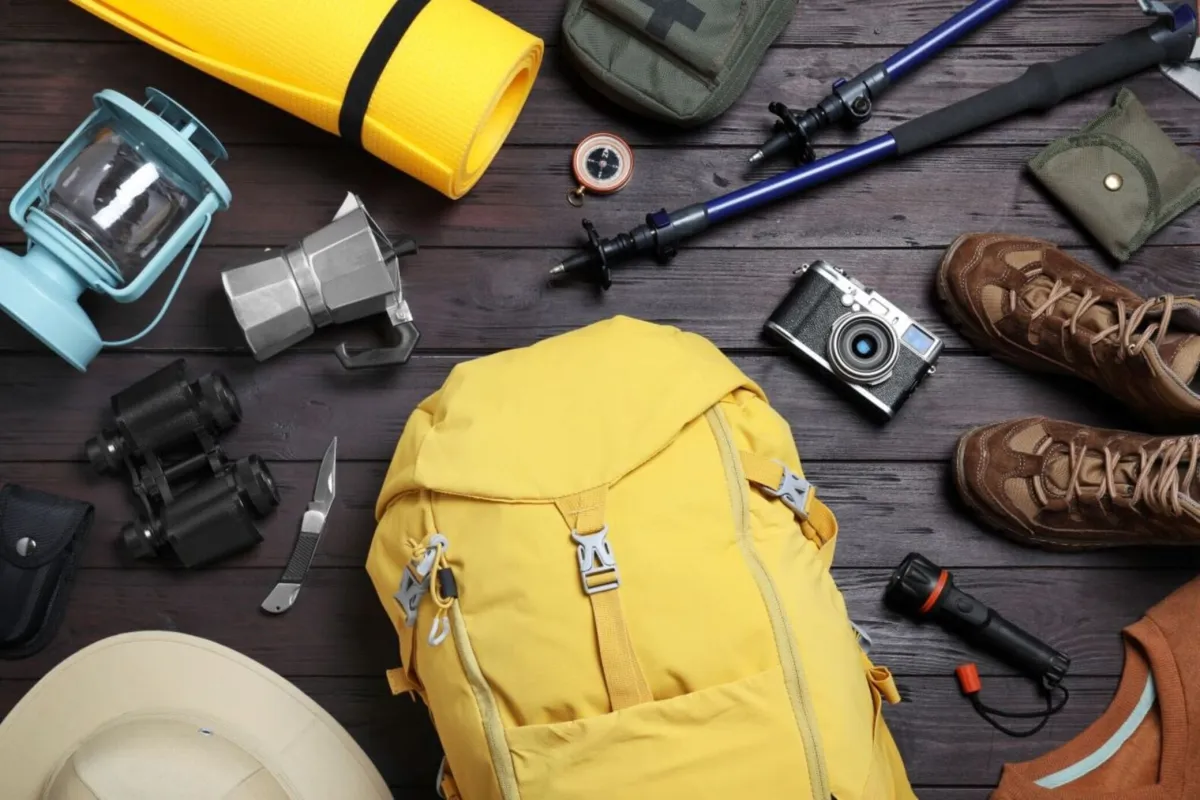
Southeast Asia's tropical climate means packing light is both possible and advisable. Here are the essentials:
- Clothing: Lightweight, breathable fabrics. Bring a long-sleeved shirt and pants for temple visits. A light rain jacket is essential during monsoon season (May-October).
- Footwear: Comfortable walking sandals, waterproof shoes for rainy days, and slip-on shoes for temple visits (you'll remove shoes frequently).
- Tech: Universal power adapter (Southeast Asia uses various plug types), portable power bank, and a waterproof phone case.
- Health: Sunscreen (SPF 50+), insect repellent, rehydration salts, basic first aid kit, and any prescription medications.
- Documents: Passport (valid for 6+ months), printed copies of visa confirmations, travel insurance policy, and passport photos (useful for visa on arrival).
Budget Planning
Southeast Asia offers incredible value, but costs vary significantly between countries:
- Budget traveler: $30-50/day -- hostels, street food, local transport, free activities
- Mid-range traveler: $60-120/day -- private rooms, restaurant meals, organized tours, some taxis
- Comfort traveler: $150-300/day -- boutique hotels, fine dining, private tours, domestic flights
Singapore is the most expensive destination (budget at least $100-150/day), while Cambodia, Laos, and Vietnam offer the best value. Thailand and Indonesia fall in the middle.
Getting Around
Regional transport options include:
- Flights: Budget airlines (AirAsia, VietJet, Scoot) connect major cities for $30-80 if booked in advance.
- Buses: Extensive networks connect cities within countries. Night buses save on accommodation costs.
- Trains: Available in Thailand, Vietnam, and Malaysia. The Bangkok-Chiang Mai overnight train is a classic experience.
- Ferries: Essential for island hopping in Thailand, Indonesia, and the Philippines.
- Ride-hailing: Grab (the regional equivalent of Uber) works across all major Southeast Asian cities.
Cultural Tips
- Dress modestly at temples: Cover shoulders and knees. Many temples provide sarongs, but bringing your own is safer.
- Remove shoes: Always remove shoes before entering temples, homes, and many shops.
- Respect the monarchy: In Thailand, never disrespect the royal family -- it's a serious criminal offense.
- Bargaining: Expected at markets and with tuk-tuk drivers. Start at 50-60% of the asking price and negotiate with a smile.
- Tipping: Not traditionally expected but increasingly appreciated in tourist areas. Round up at restaurants or leave 10%.
- Greetings: The wai (hands pressed together, slight bow) is used in Thailand. A smile goes a long way everywhere in the region.
Official source: Thailand eVisa | Vietnam E-Visa Portal | Cambodia E-Visa
Safety Tips
Southeast Asia is generally very safe for travelers, but common-sense precautions apply:
- Use hotel safes for valuables and keep digital copies of important documents.
- Be cautious with motorbike rentals -- road conditions and driving styles can be challenging.
- Only drink bottled or filtered water. Ice in tourist restaurants is generally safe.
- Purchase comprehensive travel insurance before departure -- medical evacuation coverage is essential.
- Be wary of common scams: gem shops in Bangkok, fake tour operators, and inflated taxi meters.
Southeast Asia rewards the prepared traveler with unforgettable experiences. With this checklist in hand, you're ready to explore one of the world's most captivating regions. Check your visa requirements on Viza, book your flights, and get ready for the adventure of a lifetime.
Frequently Asked Questions
Do I need a visa for Southeast Asia?
It depends on your nationality and destination. Most Western passport holders can enter Thailand, Malaysia, Singapore, and the Philippines visa-free. Vietnam requires an e-visa for most nationalities, while Cambodia and Laos offer visa on arrival. Check Viza for requirements specific to your passport.
What is the best time to visit Southeast Asia?
The dry season (November to March) is generally considered the best time to visit most of Southeast Asia. However, the region is large and climates vary. Thailand and Cambodia are driest from November to February, while Bali's dry season runs April to October. Shoulder seasons offer fewer crowds and lower prices.
How much money do I need for 2 weeks in Southeast Asia?
A budget traveler can expect to spend $700-1,400 for two weeks (excluding flights), covering hostels, street food, and local transport. Mid-range travelers should budget $1,700-3,400 for private rooms and restaurant meals. These estimates cover countries like Thailand, Vietnam, and Cambodia -- Singapore will be significantly more expensive.
Is Southeast Asia safe for solo travelers?
Yes, Southeast Asia is generally very safe for solo travelers, including women traveling alone. Thailand, Vietnam, and Malaysia are particularly well-suited for first-time solo travelers due to established tourism infrastructure and large backpacker communities. Standard precautions apply: avoid walking alone late at night in unfamiliar areas and keep valuables secure.
What vaccinations do I need for Southeast Asia?
Commonly recommended vaccinations include Hepatitis A and B, Typhoid, and a Tetanus-Diphtheria booster. Japanese Encephalitis and Rabies vaccines are recommended for extended stays or rural travel. Consult a travel health clinic 6-8 weeks before departure for personalized advice based on your itinerary.
Can I use credit cards in Southeast Asia?
Credit cards are accepted at hotels, upscale restaurants, and shopping malls in major cities. However, cash is still king in markets, street food stalls, small shops, and rural areas. ATMs are widely available but charge withdrawal fees ($3-6 per transaction). Carry a mix of cash and cards, and notify your bank of travel plans to avoid card blocks.