Italy on a Budget: How to Experience La Dolce Vita Without Breaking the Bank

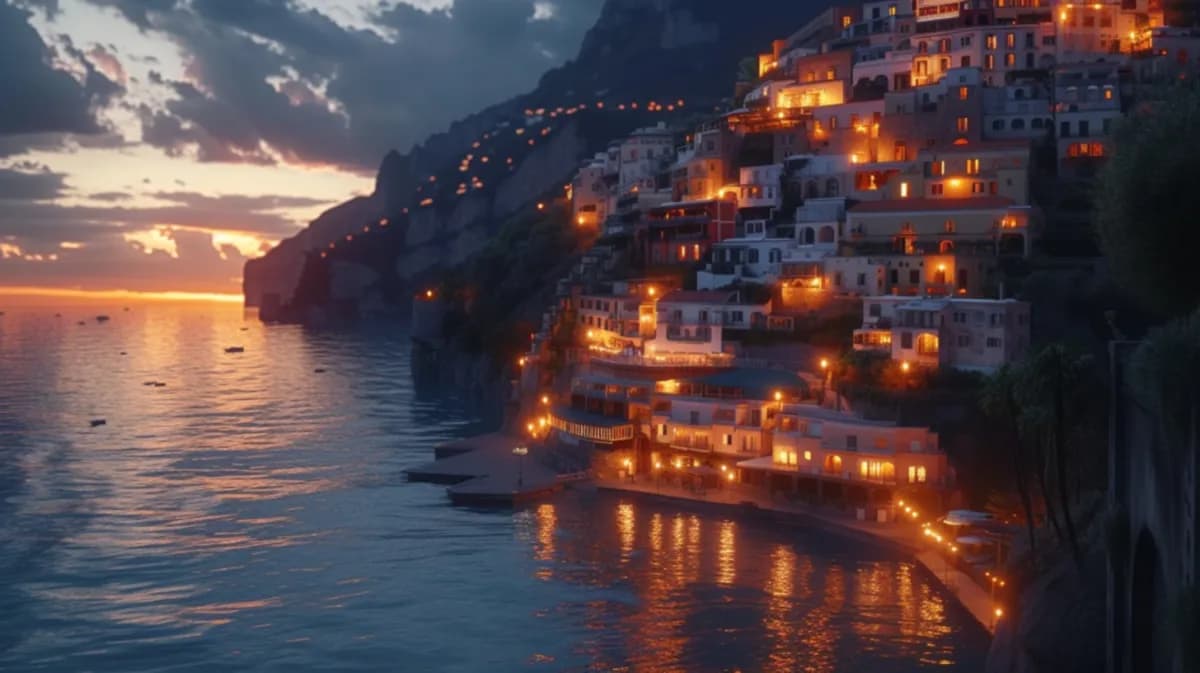
Italy remains one of the most rewarding destinations for budget-conscious travelers in 2026. From Rome's ancient ruins to the Amalfi Coast's clifftop villages, the country offers world-class experiences at every price point. The key is knowing where locals eat, how to time your visit, and which free attractions rival the paid ones. Before planning your Italian adventure, use Viza to check visa requirements for Italy and the Schengen area based on your nationality — many travelers can visit visa-free, while others may need to apply in advance. This guide covers everything you need to experience la dolce vita without breaking the bank.
Accommodation: Think Beyond Hotels
Italian hotels in city centers can be brutally expensive, especially in Venice and Florence during peak season. But alternatives abound:
- Agriturismos: Farm stays in the countryside cost EUR 50-80/night and include breakfast (often with homemade products). They are scattered across Tuscany, Umbria, and Puglia — often more memorable than any city hotel.
- Religious guesthouses: Convents and monasteries in Rome and other cities offer clean, simple rooms from EUR 40-70/night. Many are in central locations. Search "convento" or "casa religiosa" + city name.
- Affittacamere: Italian B&Bs, often family-run, offering better value and more character than hotels. Typically EUR 50-90/night in cities.
- Off-center locations: In Rome, staying near Trastevere or Testaccio instead of the Spanish Steps saves 40-50%. In Florence, the Oltrarno neighborhood across the river is both cheaper and more authentic.
Food: Eat Like an Italian, Not a Tourist
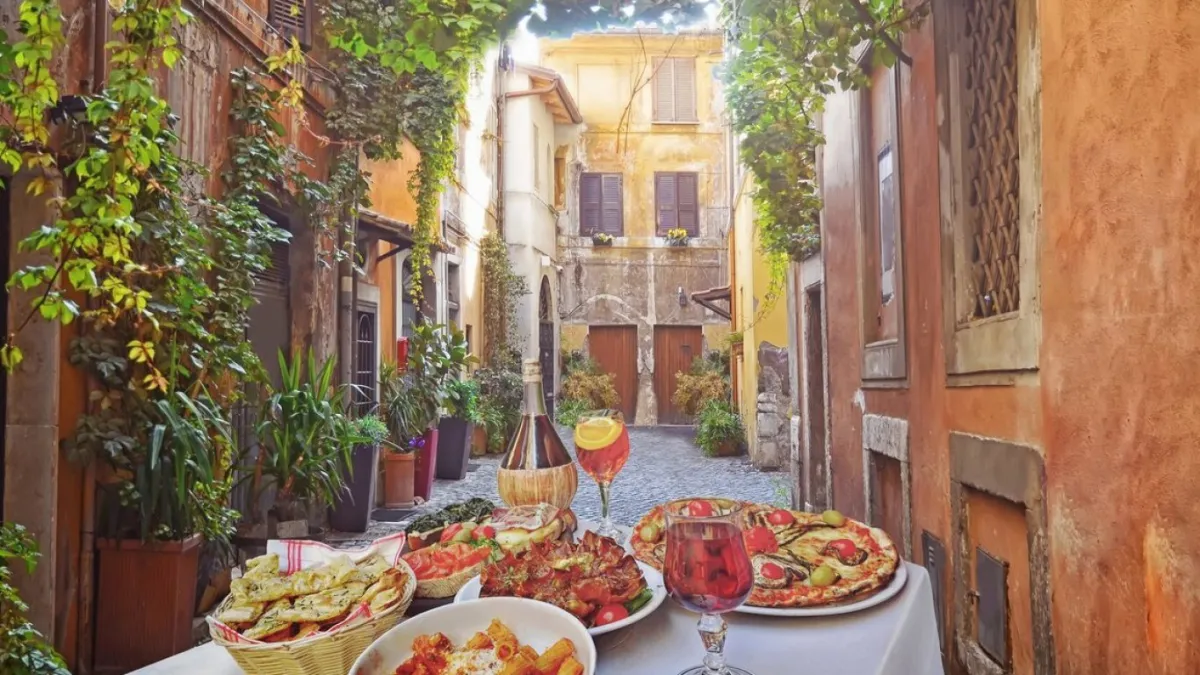
This is where Italy truly shines for budget travelers. The secret is eating where and how Italians eat:
The EUR 1-2 Breakfast
Italians do not eat big breakfasts. Stand at a bar counter (sitting down costs more — this is literally law in many places), order a cappuccino and cornetto (croissant), and you will pay EUR 1.50-2.50. This is one of life's great small pleasures, and it is cheaper than a fast food breakfast anywhere in the world.
The Aperitivo Culture
Many Italian bars offer "aperitivo" between 6-9 PM — buy a drink (EUR 5-8) and get access to a buffet of pasta, bruschetta, salads, and finger food. In Milan and Bologna, the aperitivo spread can replace dinner entirely. This is not a tourist gimmick; it is genuine Italian culture.
Market Lunch
Every Italian city has a central market where you can assemble an incredible lunch: fresh mozzarella, prosciutto, bread, tomatoes, and a piece of fruit for under EUR 8. Florence's Mercato Centrale, Rome's Campo de' Fiori, and Palermo's Ballaro market are legendary.
Avoid Tourist Traps
- Never eat at restaurants with picture menus, staff soliciting outside, or locations directly facing major monuments.
- Look for "trattoria" or "osteria" on side streets — these are typically family-run, cheaper, and better than "ristorante" establishments.
- The "coperto" (cover charge) of EUR 1-3 per person is normal and legal — but "servizio" (service charge) on top of coperto is a red flag.
- Pizza al taglio (pizza by the slice, sold by weight) is a Roman specialty that provides a filling meal for EUR 3-5.
Italy Budget Comparison by City
| City | Budget/Day | Avg Meal Cost | Best Free Sights | Best Season |
|---|---|---|---|---|
| Rome | EUR 70-100 | EUR 10-15 | Pantheon, Trevi Fountain, St. Peter's | Apr-May, Sep-Oct |
| Florence | EUR 80-110 | EUR 12-18 | Duomo exterior, Ponte Vecchio, Piazzale Michelangelo | Apr-May, Sep-Oct |
| Venice | EUR 90-130 | EUR 15-22 | San Marco Basilica, Rialto, island strolls | Nov-Mar (fewer crowds) |
| Naples | EUR 50-75 | EUR 8-12 | Spaccanapoli, waterfront, churches | Apr-Jun, Sep-Oct |
| Palermo | EUR 45-65 | EUR 6-10 | Street markets, Cathedral, historic center | May-Jun, Sep-Oct |
Sightseeing: Free and Discounted
Italy's cultural wealth means there is more free stuff to see than you could fit in a month:
- First Sunday of the month: All state-owned museums and archaeological sites are free. This includes the Colosseum, Uffizi Gallery, Borghese Gallery, Pompeii, and dozens more. Arrive early — lines can be long. Check the Italian Ministry of Culture website for the full list.
- Churches: Italy's most beautiful churches are free to enter. St. Peter's Basilica, Florence's Duomo (exterior and nave), Venice's Basilica di San Marco, and thousands of smaller churches with priceless art are all free.
- Piazzas and fountains: Rome's Trevi Fountain, Piazza Navona, Spanish Steps, and Pantheon cost nothing but your time.
- City passes: Rome's Roma Pass (EUR 32/48h) and Florence's Firenze Card (EUR 85/72h) save money if you plan to visit multiple paid attractions. Do the math before buying.
Transport: Trains, Buses, and Walking
Italy's transport network is excellent and affordable if you plan ahead:
- Trenitalia and Italo: High-speed trains connect Rome-Florence (1.5h), Rome-Naples (1h), Florence-Venice (2h). Book 2-3 weeks ahead on Trenitalia or Italo for "Super Economy" fares: Rome-Florence from EUR 19, Rome-Naples from EUR 9.
- Regional trains: Slow but cheap, connecting smaller towns. No reservation needed. A Cinque Terre day pass (EUR 16) covers unlimited regional trains between the five villages.
- FlixBus: The budget option connecting major cities. Rome-Florence from EUR 5, but takes 3+ hours versus 1.5h by fast train.
- Walking: Italian historic centers are compact. In Rome, you can walk from the Vatican to the Colosseum in 40 minutes, passing a dozen world-class sights along the way. In Florence, everything is within 20 minutes on foot.
Venice Without Going Broke
Venice has a reputation as Italy's most expensive city, but it is manageable:
- Skip the gondola ride (EUR 80+) and take the traghetto — a gondola ferry that crosses the Grand Canal for EUR 2.
- The vaporetto (water bus) single ride costs EUR 9.50, but a 24-hour pass is EUR 25 — buy it if you will take 3+ rides.
- Eat in the Castello or Cannaregio neighborhoods, away from St. Mark's Square, where prices drop significantly.
- Visit the outer islands (Murano, Burano, Torcello) by vaporetto for a less crowded, more authentic Venetian experience.
Budget Breakdown: What to Expect
- Budget traveler: EUR 60-80/day — hostels/guesthouses, market meals, free sights, regional trains
- Mid-range traveler: EUR 100-150/day — private rooms, mix of restaurants and self-catering, some paid museums, fast trains
- Comfortable traveler: EUR 180-250/day — boutique hotels, restaurant meals, all attractions, taxis when needed
Best Time to Visit for Budget Travelers
Shoulder seasons offer the perfect combination of good weather, fewer crowds, and lower prices:
- April-May: Spring weather, flowers blooming, prices 20-30% below summer peak
- September-October: Warm weather, grape harvest season, crowds thinning out
- November-March: Lowest prices (except Christmas/New Year), but shorter days and some coastal towns close for winter
Italy is a country where the best experiences often cost the least: a perfect espresso at a local bar, wandering through a medieval village at sunset, sitting in a piazza watching the world go by. The dolce vita has never required a luxury budget — just the willingness to step off the tourist trail and live as Italians do.
Check visa requirements for Italy and the Schengen area on Viza before you book — the platform shows exactly what documents and visas you need based on your passport.
Frequently Asked Questions
How much does it cost to travel Italy on a budget?
A budget traveler can comfortably explore Italy for EUR 60-80 per day, covering hostel accommodation, market meals, free sights, and regional trains. Cities like Naples and Palermo are significantly cheaper than Venice and Florence.
What is the cheapest time to visit Italy?
November through March (excluding Christmas and New Year) offers the lowest prices for flights and accommodation, with savings of 30-50% compared to summer. April-May and September-October provide a good balance of pleasant weather and lower costs.
Can you visit Italian museums for free?
Yes. On the first Sunday of every month, all state-owned museums and archaeological sites — including the Colosseum, Uffizi Gallery, and Pompeii — are free to enter. Many churches with world-class art are always free.
How do you eat cheaply in Italy?
Stand at bar counters for EUR 1.50-2.50 breakfast, shop at local markets for lunch under EUR 8, take advantage of aperitivo buffets (EUR 5-8 for a drink plus food), and eat pizza al taglio for EUR 3-5. Avoid restaurants facing major monuments.
Do I need a visa to visit Italy?
Italy is part of the Schengen Area. Citizens of 60+ countries can visit visa-free for up to 90 days. Other nationalities need a Schengen visa. Check your specific requirements on Viza based on your passport.
How do I save money on Italian trains?
Book high-speed Trenitalia or Italo trains 2-3 weeks in advance for "Super Economy" fares — Rome to Florence can cost as little as EUR 19. Regional trains require no reservation and are cheaper for short distances. FlixBus offers the lowest prices but takes significantly longer.