Ethiopia eVisa for Indian Citizens: Complete Application Guide 2026

Indian citizens need an Ethiopia eVisa to visit Ethiopia for tourism in 2026. The tourist eVisa costs USD 62 for 30 days or USD 152 for 90 days, takes approximately 3 working days to process, and must be obtained online before travel. Entry with a tourist eVisa is generally permitted only through Addis Ababa Bole International Airport. A visa on arrival may also be available at Bole Airport. Use Viza to check your requirements and start your application.
Ethiopia eVisa for Indian Citizens: Overview
Ethiopia, the land of ancient civilizations, is a destination unlike any other in Africa. From the rock-hewn churches of Lalibela and the castles of Gondar to the otherworldly Danakil Depression and the wildlife-rich Omo Valley, Ethiopia offers Indian travelers a truly unique experience. As one of the few African countries never colonized, Ethiopia has preserved a distinct cultural identity that fascinates visitors from around the world.
Indian citizens traveling to Ethiopia on ordinary passports must obtain a visa before arrival. The most convenient option is the electronic visa (eVisa), which can be obtained entirely online through Ethiopia's official eVisa portal. Here is a quick overview of what Indian travelers need to know:
| Detail | Information |
|---|---|
| Visa Type | Tourist eVisa (single entry) |
| Visa Fee (30-day) | USD 62 |
| Visa Fee (90-day) | USD 152 |
| Processing Time | Approximately 3 working days |
| Stay Duration | 30 or 90 days (depending on visa selected) |
| Entry Type | Single entry |
| Port of Entry | Addis Ababa Bole International Airport only |
| Passport Validity | Minimum 6 months beyond date of entry |
| Application Method | Online via Viza or official Ethiopian eVisa portal |
It is important to note that the tourist eVisa is single-entry only and must be used at Addis Ababa Bole International Airport as the port of entry. If you plan to enter Ethiopia through a land border or a different airport, you will generally need to arrange a consular visa through an Ethiopian embassy or consulate in advance. Indian citizens may also be eligible for a visa on arrival at Bole Airport, though applying for the eVisa in advance is strongly recommended to avoid any uncertainty at immigration.
Required Documents for the Ethiopia eVisa
The Ethiopian eVisa application is relatively straightforward, but having all your documents ready before starting will save you time and ensure a smooth process. Based on the current Ethiopian visa policy, here is what you need:
Mandatory Documents
- Valid Indian Passport — Your passport must be valid for at least 6 months from the date of entry into Ethiopia. It should have at least two blank pages for visa stamps. You will need to upload a clear, color scan of your passport biographical data page.
- Passport-Sized Photograph — A recent digital photograph taken against a white or light background. The photo must be in JPEG format, with your face clearly visible and centered. Standard passport photo dimensions apply (approximately 35mm x 45mm equivalent).
- Travel Itinerary — Details of your planned travel including dates of arrival and departure from Ethiopia. A confirmed round-trip or onward flight booking is recommended.
- Accommodation Details — Hotel reservations or details of where you will be staying during your visit. This can include hotel booking confirmations, Airbnb reservations, or a letter of invitation from a host in Ethiopia.
- Payment Method — A valid credit or debit card (Visa, MasterCard, or UnionPay) for paying the eVisa fee online. Note that the Ethiopian eVisa portal has payment restrictions for nationals of certain countries, but Indian citizens are not among the restricted nationalities.
Optional but Recommended Documents
- Proof of Sufficient Funds — Bank statements or other financial documents showing you can support yourself during your stay in Ethiopia. While not always required for the eVisa application itself, immigration officers at Bole Airport may ask for evidence of funds.
- Yellow Fever Vaccination Certificate — Ethiopia requires a yellow fever vaccination certificate from travelers arriving from countries with risk of yellow fever transmission. While India is listed as a country with yellow fever risk areas, enforcement can vary. It is strongly recommended to get vaccinated and carry your International Certificate of Vaccination (Yellow Card) to avoid any issues at immigration.
- Travel Insurance — Comprehensive travel insurance covering medical emergencies, evacuation, and trip cancellation is highly recommended for travel to Ethiopia.
Step-by-Step Application Process
Applying for an Ethiopia eVisa as an Indian citizen is a simple online process. Here is how to do it:
Step 1: Check Your Visa Requirements
Visit Viza's India to Ethiopia page to confirm the exact visa type, fees, and documents required for your trip. Viza will show you all available options including the eVisa and any visa-on-arrival possibilities.
Step 2: Gather Your Documents
Prepare digital copies of your passport bio page and a recent passport photograph. Have your travel itinerary and accommodation details ready. Ensure your passport has at least 6 months of validity remaining from your planned entry date.
Step 3: Complete the Online Application
Fill out the eVisa application form with your personal details, passport information, travel dates, and accommodation information. Select the visa duration you need — 30 days (USD 62) or 90 days (USD 152). Double-check all information matches your passport exactly before submitting.
Step 4: Pay the Fee and Submit
Pay the eVisa fee using your credit or debit card. The fee is non-refundable regardless of the application outcome. After payment, submit your application and note your application reference number for tracking purposes.
Step 5: Receive and Print Your eVisa
Processing typically takes about 3 working days. You will receive email notification when your eVisa is approved. Download and print the eVisa approval letter — you must present it at airline check-in and to immigration officers at Addis Ababa Bole International Airport upon arrival.
Fees and Processing Times
Ethiopia offers straightforward pricing for its eVisa program. Here is a complete breakdown of fees for Indian citizens:
| Visa Type | Fee | Processing Time | Stay Duration | Entry |
|---|---|---|---|---|
| Tourist eVisa (30-day) | USD 62 | ~3 working days | 30 days | Single |
| Tourist eVisa (90-day) | USD 152 | ~3 working days | 90 days | Single |
| Visa on Arrival (30-day)* | ~USD 52 | Issued at airport | 30 days | Single |
| Visa on Arrival (90-day)* | ~USD 72 | Issued at airport | 90 days | Single |
| Viza Service Fee | $5 |
*Visa on arrival is available at Addis Ababa Bole International Airport for many nationalities. Fees and availability are subject to change. The eVisa is strongly recommended over visa on arrival to avoid potential delays, long queues, or policy changes at the airport. Certain nationalities are excluded from the VOA scheme.
At USD 62 for a 30-day stay, the Ethiopian eVisa is reasonably priced compared to many African destinations. The 90-day option at USD 152 offers better value per day for travelers planning an extended exploration of Ethiopia's diverse regions. Both options provide the same single-entry access through Addis Ababa Bole International Airport.
Important Tips for Indian Travelers to Ethiopia
Arrive only through Addis Ababa: The tourist eVisa is valid for entry only at Addis Ababa Bole International Airport. If you attempt to enter through a land border or a regional airport, you will be denied entry. Plan your itinerary accordingly.
Get your yellow fever vaccination: India has areas classified as yellow fever risk zones by the WHO. Ethiopian immigration may require you to show a valid International Certificate of Vaccination (Yellow Card) upon arrival. Get vaccinated at least 10 days before travel and carry the certificate with you.
Apply in advance: While processing takes about 3 working days, apply at least 2 weeks before your departure. This gives you buffer time for any delays, additional document requests, or reapplication if needed.
Single entry means single entry: The tourist eVisa is strictly single-entry. Once you leave Ethiopia, the visa is used up. If you plan to visit neighboring countries (Kenya, Djibouti, Sudan) and return to Ethiopia, you would need a new visa. Plan your regional itinerary carefully.
Currency and cash: The Ethiopian Birr (ETB) is the local currency. As of 2026, 1 USD is approximately 57-60 ETB. While Addis Ababa has ATMs and some card acceptance, much of Ethiopia operates on a cash economy. Bring sufficient US dollars in good condition (printed after 2006) for exchange at banks and authorized dealers.
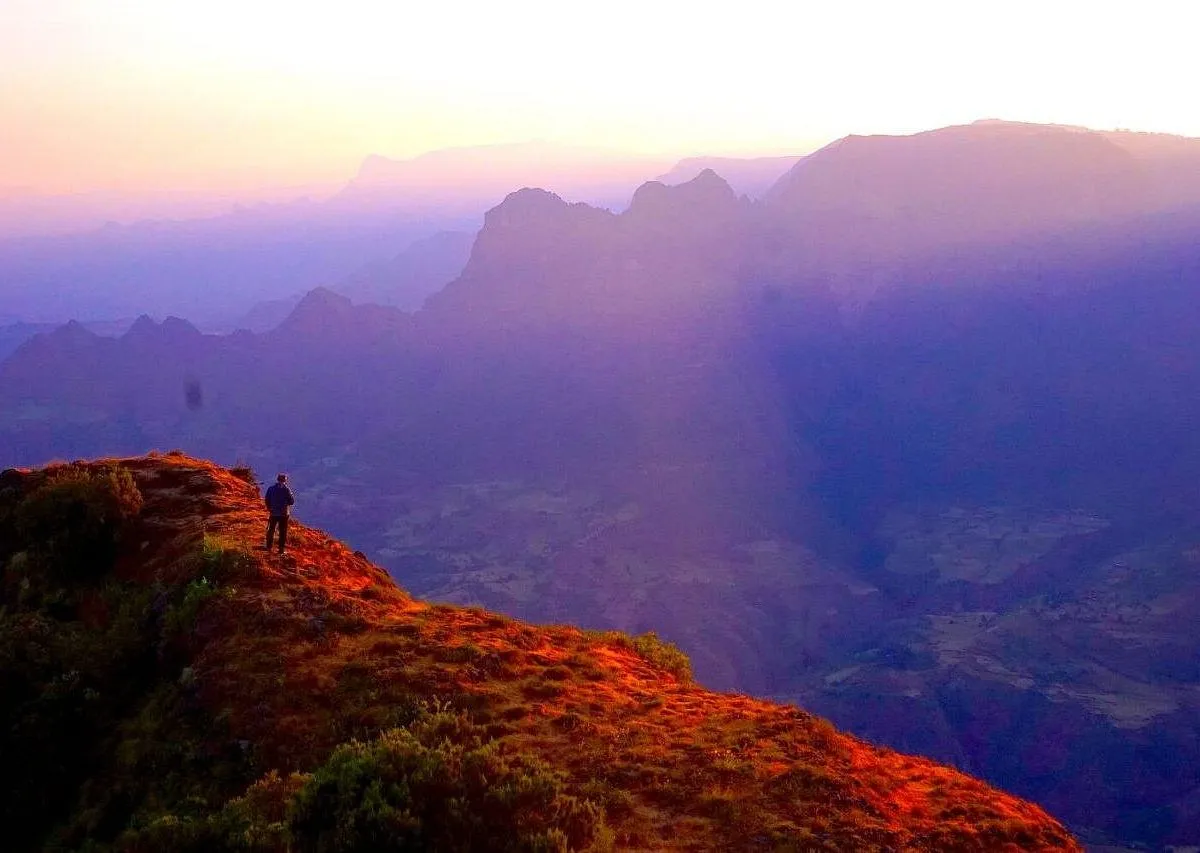
Altitude awareness: Addis Ababa sits at approximately 2,355 meters (7,726 feet) above sea level. Many Ethiopian cities and trekking destinations are at similar or higher elevations. Allow yourself time to acclimatize, especially if you plan to trek in the Simien Mountains (up to 4,550 meters). Drink plenty of water and take it easy on your first day.
Practical Travel Information for Ethiopia
Getting There from India
Ethiopian Airlines, the largest airline in Africa, operates direct flights from Mumbai and Delhi to Addis Ababa Bole International Airport. Flight time is approximately 5-6 hours. Ethiopian Airlines is a Star Alliance member and offers competitive fares with excellent connectivity to destinations across Africa. Addis Ababa is also a major transit hub, so you may already be connecting through it on flights to other African destinations.
Must-Visit Destinations
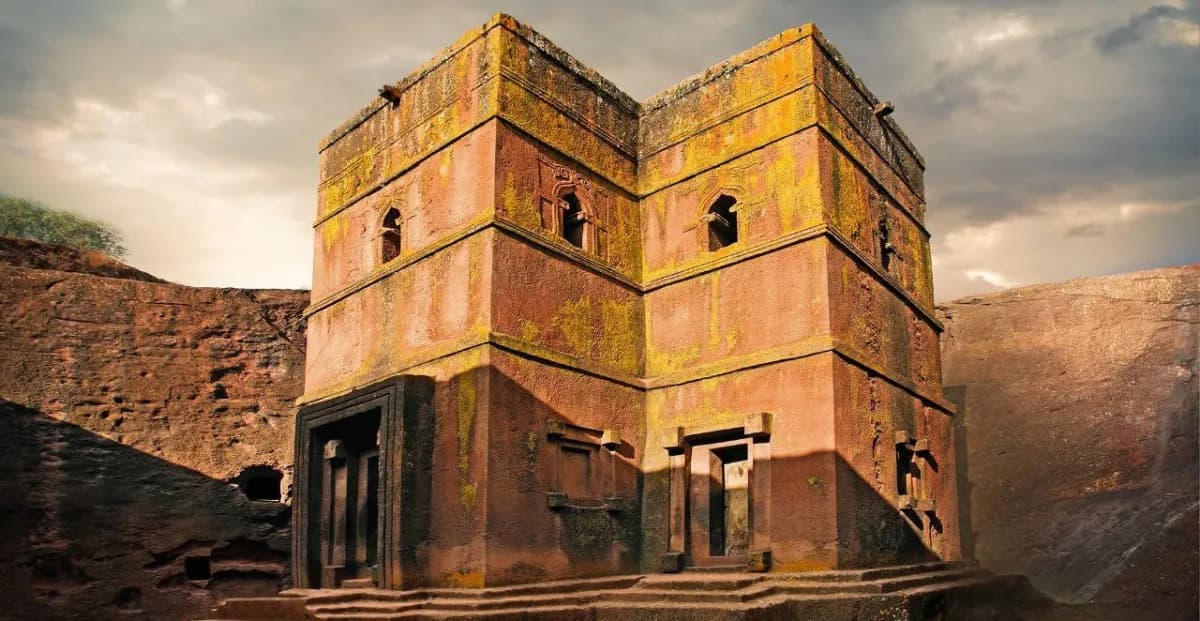
Ethiopia's tourism highlights include the rock-hewn churches of Lalibela (a UNESCO World Heritage Site often called the "New Jerusalem"), the ancient obelisks of Axum, the medieval castles of Gondar (the "Camelot of Africa"), the stunning Simien Mountains National Park, the Danakil Depression (one of the hottest and lowest places on Earth), and the tribal cultures of the lower Omo Valley. Addis Ababa itself offers the National Museum (home of "Lucy"), Entoto Hills, and the Merkato — Africa's largest open-air market.
Ethiopian Food and Culture
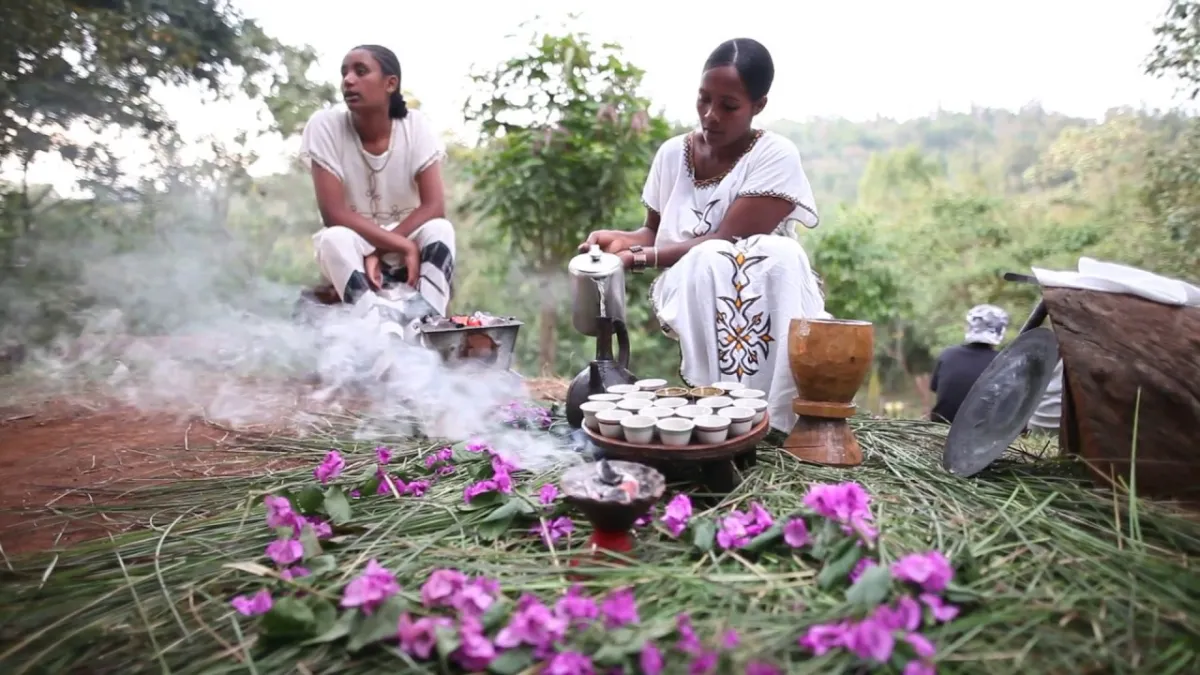
Ethiopian cuisine will feel familiar yet exotic to Indian palates. The staple injera (a spongy sourdough flatbread) is remarkably similar to dosa and is eaten with various stews called wot. Vegetarian food is widely available — Ethiopia has a strong fasting tradition where meat and dairy are avoided on many days. Try shiro wot (chickpea stew), misir wot (red lentil stew), and the famous Ethiopian coffee ceremony. Ethiopia is the birthplace of coffee, and the traditional coffee ceremony is an integral part of social life.
Official source: Ethiopia eVisa Portal
Frequently Asked Questions
Do Indian citizens need a visa to visit Ethiopia?
Yes, Indian citizens need a visa to visit Ethiopia. The most convenient option is the tourist eVisa, which can be obtained online. A visa on arrival may also be available at Addis Ababa Bole International Airport, but applying for the eVisa in advance is strongly recommended to ensure a smooth entry.
How much does an Ethiopia eVisa cost for Indian citizens?
The 30-day tourist eVisa costs USD 62, and the 90-day tourist eVisa costs USD 152. These fees are non-refundable and must be paid online during the application process via credit or debit card.
How long does the Ethiopia eVisa take to process?
The standard processing time is approximately 3 working days. However, it is recommended to apply at least 2 weeks before your planned travel date to allow for any delays or requests for additional documentation.
Can I enter Ethiopia through any airport or land border with the eVisa?
No. The tourist eVisa is generally valid for entry only through Addis Ababa Bole International Airport. If you plan to enter Ethiopia through a land border or a different airport, you will typically need a consular visa obtained from an Ethiopian embassy or consulate before travel.
Do I need a yellow fever vaccination to visit Ethiopia?
Ethiopia requires a yellow fever vaccination certificate from travelers arriving from countries with yellow fever risk. India has designated yellow fever risk areas, so it is strongly recommended to get vaccinated at least 10 days before travel and carry your International Certificate of Vaccination. Even if not strictly enforced in every case, having the certificate prevents any potential issues at immigration.
Should I get the eVisa or visa on arrival?
The eVisa is strongly recommended over the visa on arrival. While VOA may be available at Bole Airport, it can involve long queues, potential policy changes, and uncertainty. The eVisa guarantees your visa is approved before you board your flight, providing peace of mind and a smoother arrival experience. The online process through Viza is straightforward and takes only a few minutes to complete.
Ready to Apply for Your Ethiopia eVisa?
Ethiopia is a destination that will challenge your expectations and reward your curiosity. From the ancient Christian heritage of Lalibela to the surreal volcanic landscapes of the Danakil, from the bustling streets of Addis Ababa to the timeless traditions of the Omo Valley — this is a country that stays with you long after you leave. Indian travelers will find surprising culinary parallels, warm hospitality, and a deep shared history of ancient civilizations.
Getting your Ethiopia eVisa is the simple first step toward an extraordinary adventure. Start your Ethiopia eVisa application on Viza today — check your requirements, choose between the 30-day or 90-day option, and let Viza handle the details so you can start planning your Ethiopian journey.